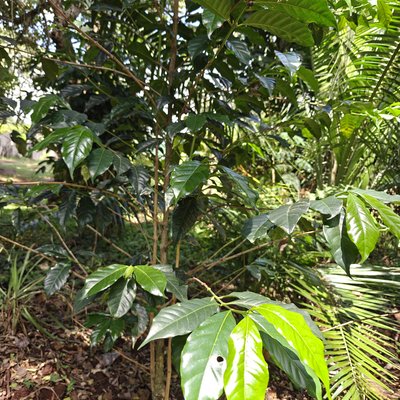
The Rubes
Rubiaceae
Rubes are well represented in Malewa Forest
For me the botanical Family which always comes first to mind is the Rubiaceae, probably because I would have trouble starting the day without some Coffea arabica and I was once saved from malaria by an injection of Cinchona officinalis. The Rubes are many, more than 13000 species worldwide divided into more than 600 genera, but the ones we have in the Tropics are some of the greatest, the most indispensable. The Family contains plants of different categories and sizes, from trees to climbers, shrubs to herbs, all sharing a few characteristics: leaves which are simple and opposite or whorled, with interpetiolar stipules, and flowers whose petals are fused near their base and are radially symmetrical. Malewa Forest has examples of all these categories of Rubiaceae.
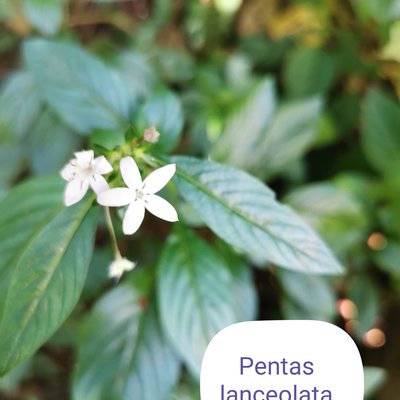
The botanical Family gets its name from Rubia cordifolia, also known as Indian Madder, a plant whose root produces a red pigment dye.
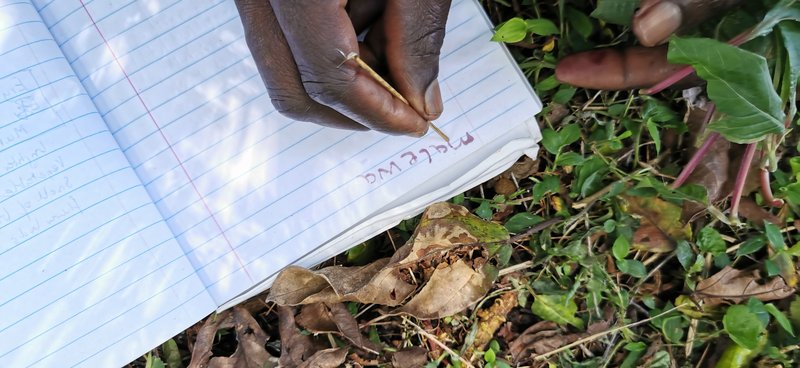
Paul Samikwo writing Malewa with Rubia cordifolia ink.
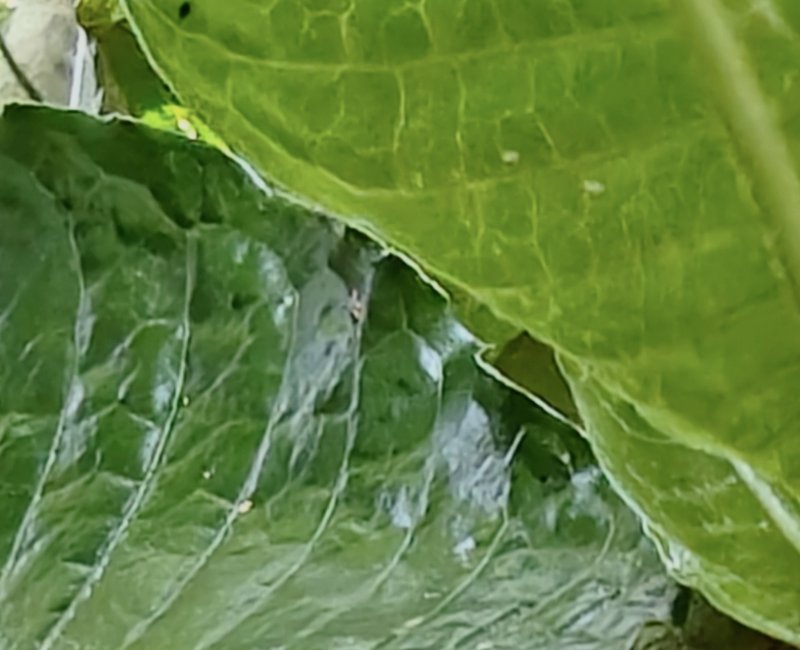
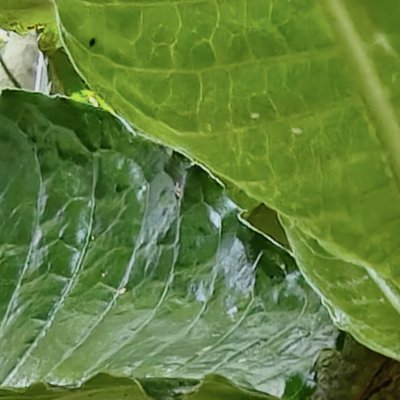
Psychotria fractinervata is an understory tree in the forest. Its leaf venation is most distinctive and symbiotic bacteria occupy the nodules. Its psychotropic potential remains unexplored.
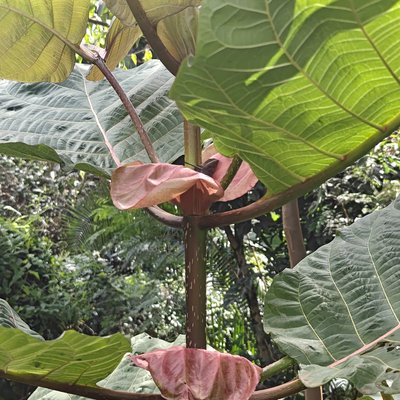
Mitragyna rubrostipulata is a recent addition to the forest. Here you can see its striking interpetiolar stipules, one of the hallmarks of the Rubiaceae.
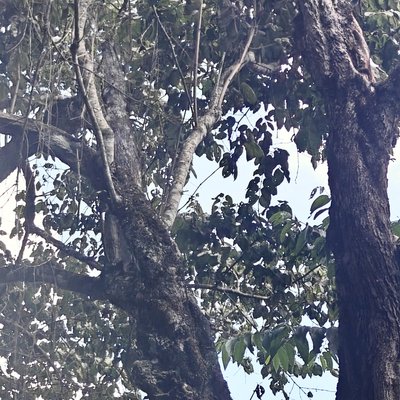
Several Vangueria volkensii trees are long established in Malewa Forest.
A list of other Rubes in Malewa Forest include the following:
Coffea arabica
Afrocantium keniense
Gardenia volkensii
Heinsenia diervilleoides
Keetia gueinzii
Rothmannia urcelliformis
Psychotria mannii
Galineria saxifragia
Spermacocce princeae
Vangueria madagascariensis